Free standard shipping for orders over $340.

Free shipping on all orders above Rs 999/-. T&C apply

Note:We update our shop as much as possible and 99% prices are accurate. However it’s humanly impossible to update all the products and their updated prices. Actual Price may vary when we process order If it changes, order total may change and you may have to pay extra.

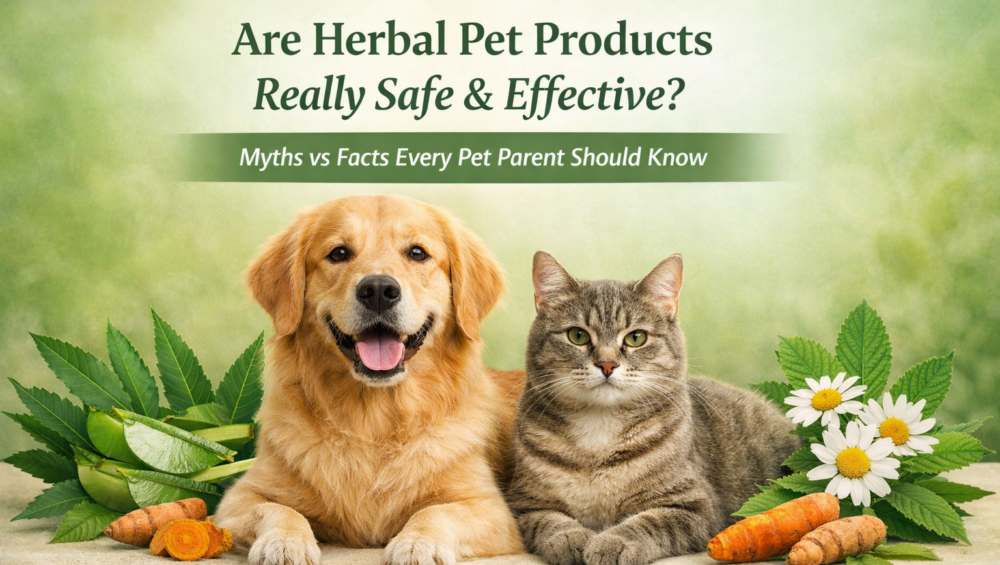
Are Herbal Pet Products Really Safe & Effective? Myths vs Facts

In recent years, herbal pet products — from shampoos and supplements to flea sprays and calming remedies — have surged in popularity. Pet parents are increasingly drawn to products labeled “natural,” “herbal,” or “organic,” often believing they’re gentler and safer for dogs and cats.

But with this boom in herbal offerings comes confusion: Are these products actually safe? Do they work? Or are they just clever marketing?

In this blog, we’ll break down common myths vs facts about herbal pet products — so you can make informed choices for your furry family members 🐶🐱.


🌿 What Are Herbal Pet Products?

Herbal pet products are formulated using plant-based ingredients — such as neem, turmeric, aloe vera, chamomile, peppermint, and more — touted for their therapeutic properties. These products can include:

  • Herbal shampoos & conditioners
  • Herbal supplements & vitamins
  • Herbal sprays (for itching, odor, ticks & fleas)
  • Herbal calming aids
  • Herbal dental pastes & mouthwashes

The idea is simple: tap into the benefits of traditional medicinal plants to support pet health.


❗MYTH #1: “Herbal means SAFE for all pets”

FACT:
Just because a product is herbal doesn’t automatically mean it’s safe for every pet or every condition.

Many plant-based ingredients can be beneficial — but dosage, interaction with other medications, and a pet’s individual sensitivities matter.

🔍 Example: Tea tree oil is often touted as natural and soothing — but in concentrated forms, it can be toxic to dogs and cats if ingested or absorbed in large amounts.

👉 Before using any herbal product, always check:

  • The ingredient list
  • Recommended dose
  • Age and species (dog vs cat)
  • Pre-existing health conditions

✔️ Tip: Consult your vet if your pet is pregnant, has liver/kidney disease, or is on other medications.


❗MYTH #2: “Herbal products don’t work as well as regular medicines”

FACT:
Herbal products can be effective — but their results depend on the product, quality, and the condition being treated.

Herbal care is often supportive or preventative, not always curative for serious conditions. For example:

✔️ Aloe vera shampoo can soothe mild itching or dry skin
✔️ Turmeric supplements may help inflammation
❌ But they won’t replace antibiotics for infections

Herbal products can complement conventional treatments — but may not replace them entirely.


❗MYTH #3: “All herbal products are made with high-quality natural ingredients”

FACT:
Not all natural or herbal products are created equal.

🌱 Some products may:

  • Use low-potency plant extracts
  • Contain fillers or cheap substitutes
  • Have inconsistent ingredient concentrations
  • Lack third-party testing or quality standards

What to check before buying:
✅ Scientific evidence or clinical studies
✅ Transparent ingredient sourcing
✅ No artificial preservatives or harmful fillers
✅ Pet-safe essential oils (volume matters!)
✅ Certifications (organic, veterinary-approved)


❗MYTH #4: “Herbal products never cause side effects”

FACT:
Herbal products can cause side effects — especially if misused or overused.

Possible side effects include:
⚠️ Allergic reactions
⚠️ Digestive upset (vomiting, diarrhea)
⚠️ Contact irritation
⚠️ Interaction with medications

Always introduce new products slowly, watch for changes in behavior or symptoms, and stop use if your pet reacts negatively.


🌿 Top Herbal Ingredients Often Used in Pet Care

Here are some commonly used herbal ingredients — and what science & vets say about them:


🪵 Neem

🐾 Benefits: Natural insect repellent, anti-inflammatory
📌 Uses: Shampoos, sprays for ticks & fleas
💡 Caution: Strong smell; some pets may dislike it


🌼 Chamomile

🐾 Benefits: Soothing, calming, gentle on skin
📌 Uses: Shampoos, ear cleansers, calming supplements
💡 Often safe in diluted forms


🌿 Aloe Vera

🐾 Benefits: Moisturizing, healing
📌 Uses: Shampoos, wound-care sprays
💡 Avoid if pet tries to lick — large amounts orally are not recommended


🧡 Turmeric (Curcumin)

🐾 Benefits: Anti-inflammatory, antioxidant
📌 Uses: Joint supplements
💡 Can help arthritis but needs proper dosing


🍃 Peppermint / Eucalyptus

🐾 Benefits: Cooling sensation, deodorizing
📌 Uses: Sprays, grooming products
⚠️ Caution: In high amounts, some essential oils are toxic, especially to cats


🩺 When Herbal Products Can Be Most Helpful

Herbal products work best as supportive care — not emergency or serious medical treatment.

They can be useful for:

✔️ Mild itching & dryness
✔️ Preventative skin care
✔️ Mild anxiety support
✔️ Regular grooming
✔️ Digestive support (in appropriate forms)

But avoid relying on herbal products for:

❌ Infections
❌ Severe pain
❌ Internal parasites
❌ Serious chronic disease


🐶 Tips for Choosing Safe & Effective Herbal Pet Products

Here’s a simple checklist to help you choose quality products:

🧾 1. Read the Full Ingredient List

Look for recognizable plant extracts, no hidden chemicals.

📊 2. Choose Reputable Brands

Brands with clear sourcing and quality control are more trustworthy.

🐱 3. Vet-Approved or Vet-Reviewed Products

Look for products vetted by veterinarians or supported by evidence.

📦 4. Check for Safety Certifications

Organic or cruelty-free labels can be useful (but read the fine print).

🧪 5. Avoid High-Risk Essential Oils for Cats

Cats have different metabolism — many essential oils can be toxic.

🐕 6. Watch Your Pet After First Use

Stop immediately if you notice:

  • Excessive scratching
  • Redness or irritation
  • Vomiting or lethargy

🧡 Real-Life Case: Natural vs. Chemical Flea Control

Many pet parents ask: “Should I use herbal flea sprays or medicated ones?”

Here’s the honest answer:

Herbal flea sprays can:

  • Repel insects
  • Provide a gentle option for sensitive skin

🚫 But they may:

  • Not kill a heavy infestation
  • Need frequent reapplication

For mild cases or prevention, herbal sprays can help.
For infestations, vet-recommended medicated products are more reliable.

Best practice: Use herbal products alongside vet guidance and proper flea control.


🧠 About Misleading Marketing Terms

Beware of vague labels like:

  • “100% Natural”
  • “Organic”
  • “Chemical-Free”

These terms are often used for marketing — but don’t guarantee safety or potency.

🔍 Instead, prioritize ingredient transparency, lab testing, and vet endorsements.


🐾 Final Verdict: Are Herbal Pet Products Safe & Effective?

Yes — but only when used responsibly and with the right knowledge.

🌿 Herbal products can be:

✔️ Supportive for mild issues
✔️ Beneficial as preventive care
✔️ Good for sensitive skin or grooming

❌ But they are NOT:

✖️ A one-size-fits-all cure
✖️ Automatically safe just because they’re natural
✖️ A replacement for veterinary medicine in serious problems


🐕 Final Tips for Pet Parents

✔️ Introduce one product at a time
✔️ Start with small amounts
✔️ Monitor your pet closely
✔️ Talk to your vet for tailored advice


Herbal pet products can be a valuable part of your pet’s care routine — but they require careful selection and thoughtful use. Understanding the myths vs facts helps you choose what really works, keep your pet safe, and avoid unnecessary risks.

Want help choosing the right herbal product for your dog or cat?
Check out Pettivo.com’s curated range of safe, vet-supported herbal pet care options 🐶🐱💚

Paws of the Nation: How Dogs Serve India on Republic Day

On Republic Day, India celebrates its Constitution, democracy, and the brave hearts who protect the nation. While soldiers march and jets soar across the sky, there is another group of silent heroes standing on four paws. From guarding borders to detecting explosives, Indian service dogs play a vital role in keeping the nation safe. This Republic Day, let’s honour these loyal warriors who serve India with courage, discipline, and unconditional devotion.

Dogs in India’s Defence Forces

Dogs have been an integral part of India’s defence and security ecosystem for decades. Trained by expert handlers, these dogs serve alongside the Indian Army, CRPF, BSF, ITBP, and police forces.

Key Roles Performed by Service Dogs

  • Explosive & bomb detection during Republic Day parades and national events
  • Border patrol in extreme terrains like Siachen and deserts
  • Search & rescue during earthquakes, floods, and disasters
  • Tracking insurgents and criminals in sensitive zones
  • Guarding military bases and VIP areas

Their presence during Republic Day celebrations ensures safety for thousands of citizens.

Breeds That Serve the Nation

India’s forces rely on intelligent, agile, and highly trainable dog breeds, including: –

Labrador Retriever

German Shepherd

Belgian Malinois

Doberman Pinscher

Cocker Spaniel

Each breed is selected based on mission needs, climate adaptability, and mental resilience.

Training, Discipline & Sacrifice

Service dogs undergo rigorous training that includes obedience, scent detection, agility drills, and combat simulations. Many dogs are trained for years before being deployed. Some even lay down their lives in the line of duty, earning posthumous recognition.

These dogs don’t understand patriotism—but they live it every single day.

Republic Day & Animal Welfare: A Shared Responsibility

Republic Day reminds us of our duties as citizens. Responsible pet parenting, adoption of strays, and kindness towards animals reflect the values of a compassionate and progressive India.

How You Can Honour Them

  • Support NGOs working for retired service dogs
  • Adopt, don’t shop
  • Ensure safety of pets during loud celebrations

Educate children about animal respect and welfare

As the Tiranga flies high this Republic Day, let us remember the paws that protect our freedom. These dogs may not march in the parade, but they stand guard behind the scenes—fearless, faithful, and forever loyal.

🇮🇳Jai Hind🇮🇳

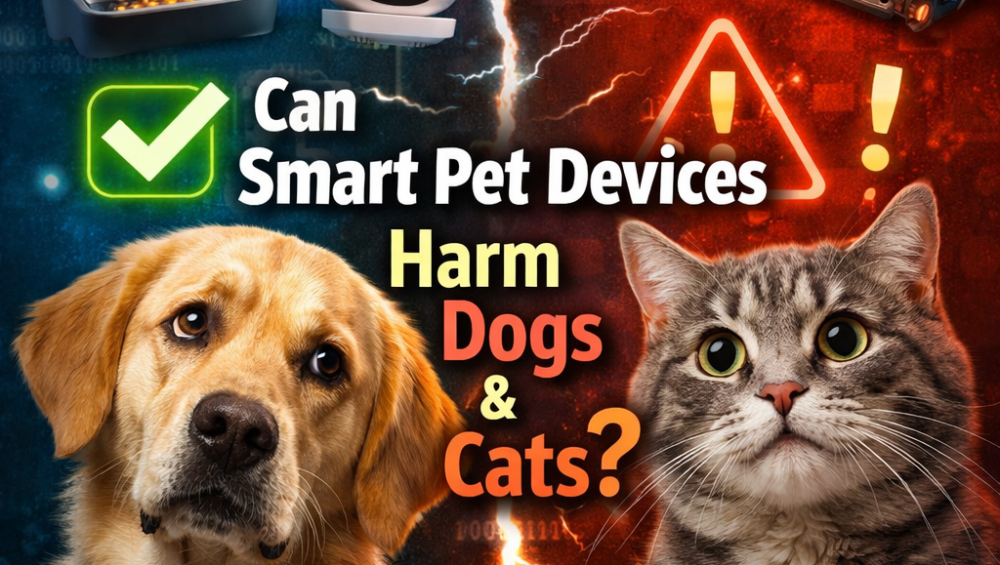
“Can Smart Pet Devices Harm Dogs & Cats? The Truth About AI in Pet Care”

✅ How AI Can Be Helpful for Pets

When used correctly, AI offers real benefits:

🐾 Health Monitoring

  • Smart collars track activity, sleep, heart rate, and behavior changes
  • Early detection of illness (limping, lethargy, appetite changes)

🍽️ Smart Feeding

  • AI feeders prevent overfeeding or missed meals
  • Useful for pets with obesity, diabetes, or special diets

🎥 Safety & Supervision

  • AI cameras alert owners about unusual behavior (excessive barking, seizures)
  • Helps reduce separation anxiety when owners are away

🧠 Mental Stimulation

  • Interactive AI toys adapt to a pet’s play style
  • Prevent boredom and destructive behavior

⚠️ Potential Risks of AI for Pets

AI becomes risky only when poorly designed or blindly trusted:

🚫 Over-dependence on AI

  • AI tools should never replace a veterinarian
  • Misreading data can delay real medical treatment

🔊 Stress & Anxiety

  • Loud sounds, flashing lights, or constant monitoring may stress some pets
  • Not all pets respond well to tech-heavy environments

🔐 Data & Privacy Issues (Indirect Risk)

  • Poor-quality devices may misuse data
  • Cheap products may lack safety standards

🤖 One-Size-Fits-All Problems

  • AI may not understand breed-specific or individual pet behavior
  • Incorrect alerts can confuse or worry pet parents

🐶 Is AI Safe for Dogs & Cats?

✔️ Yes, if:

  • Used as a support tool, not a replacement for care
  • Devices are vet-recommended or well-reviewed
  • Pets are gradually introduced to the technology

No, if:

  • Owners ignore real symptoms because “the app says it’s fine”
  • Pets show fear, anxiety, or behavioral changes from the device

Simple Rule for Pet Parents

AI should assist humans — not replace love, observation, or veterinary care

10 Common Pet Health Mistakes Every Owner Makes (And How to Avoid Them)

Caring for a pet is a rewarding experience, but even the most loving pet parents can unknowingly make health mistakes that affect their dog’s or cat’s wellbeing. At pettivo.com, we believe that prevention and awareness are the keys to keeping pets healthy, active, and happy.

Here are the 10 most common pet health mistakes owners make—and practical tips on how you can avoid them.


1. Skipping Regular Vet Check-Ups

Many pet owners visit the vet only when their pet looks sick. Unfortunately, several health issues such as infections, dental disease, or organ problems start silently.

How to avoid it: – Schedule routine veterinary check-ups at least once or twice a year – Early diagnosis can save treatment costs and your pet’s life


2. Ignoring Parasite Prevention (Ticks, Fleas & Worms)

Ticks, fleas, and intestinal worms are extremely common in dogs and cats, especially in India’s climate. Ignoring parasite control can lead to serious diseases like ehrlichiosis and anemia.

How to avoid it: – Follow a regular deworming and anti-tick schedule – Use vet-recommended Tick repellants and Deworming products available at pettivo


3. Using Human Medicines for Pets

Giving human painkillers or antibiotics to pets without veterinary advice can be dangerous and even fatal.

How to avoid it: – Never self-medicate your pet –


4. Poor Dental Care

Dental health is often ignored, yet gum disease can lead to infections affecting the heart, liver, and kidneys.

How to avoid it: – Brush your pet’s teeth regularly using pet-safe toothpaste – Use dental chews or oral care products recommended by vets


5. Improper Nutrition and Overfeeding

Overfeeding or giving table scraps can lead to obesity, digestive issues, and nutritional deficiencies.

How to avoid it: – Feed a balanced, age-appropriate diet – Consider supplements for vitamins and minerals available at www.pettivo.com


6. Neglecting Wound Care and Minor Injuries

Small cuts or wounds may look harmless but can quickly turn into infections if left untreated.

How to avoid it: – Clean and disinfect wounds immediately –


7. Delaying Vaccinations

Missing or delaying vaccinations exposes pets to life-threatening diseases like rabies, parvovirus, and distemper.

How to avoid it: – Follow the vaccination schedule recommended by your veterinarian – Keep vaccination records updated


8. Ignoring Behavioural Changes

Sudden aggression, lethargy, loss of appetite, or hiding can be signs of pain or illness.

How to avoid it: – Observe your pet’s daily behaviour closely – Consult a vet if you notice unusual changes


9. Poor Grooming and Hygiene

Irregular grooming can cause skin infections, matting, ear infections, and parasite infestations.

How to avoid it: – Groom your pet regularly – Clean ears, trim nails, and bathe using pet-friendly products


10. Not Keeping a Pet First Aid Kit

Emergencies can happen anytime, and not being prepared can worsen the situation.

How to avoid it: – Keep a basic pet first aid kit at home – Include antiseptic sprays, wound care products, and vet-recommended medicines available on pettivo.com


FAQs

Q1: How often should I take my pet to the vet?

At least once or twice a year for regular check-ups, more if your pet has chronic conditions.

Q2: Can human medications be harmful to pets?

Yes, many human medications are toxic to pets. Always use vet-prescribed medicines.

Q3: How can I prevent ticks and fleas?

Use veterinarian-recommended anti-parasitic treatments regularly and maintain proper hygiene.

Q4: What should I include in a pet first aid kit?

Include antiseptic sprays, wound healing sprays, bandages, and vet-prescribed medicines.

Winter Care for Pets: Essential Tips & Medications to Keep Your Furry Friends Healthy


Winter can be a beautiful season, but for pets, especially dogs and cats, it also brings unique health challenges. Cold temperatures, dry air, reduced activity, and seasonal infections can affect your pet’s skin, joints, immunity, digestion, and overall comfort. As responsible pet parents, taking proactive winter care measures is crucial.

In this guide by pettivo.com, we explain how to take care of pets during winters and what medications and supplements are commonly required to keep them safe, warm, and healthy.


Why Winter Care Is Important for Pets

During winters, pets are more prone to:

  • Dry skin, dandruff & itching
  • Joint stiffness and arthritis flare-ups
  • Respiratory infections
  • Lower immunity
  • Digestive issues
  • Tick & flea infestations (indoors)

Puppies, kittens, senior pets, and short-coated breeds are especially vulnerable.


Essential Winter Care Tips for Pets

🧣 1. Keep Your Pet Warm

  • Use warm bedding, pet blankets, or sweaters for short-coated dogs.
  • Avoid cold floors—use mats or rugs.
  • Limit early-morning and late-night outdoor exposure.

🐾 2. Maintain Skin & Coat Health

Cold air and low humidity can cause dry skin, excessive shedding, and itchiness.

Winter grooming tips:

  • Reduce bathing frequency
  • Use herbal, mild shampoos
  • Regular brushing improves blood circulation

👉 Recommended grooming products available on pettivo.com:

  • Himalaya Erina Coat Cleanser
  • Himalaya Erina Plus Coat Cleanser with Conditioner
  • Himalaya FreshCoat No Rinse Spray

🦴 3. Support Joint & Mobility Health

Winter often worsens arthritis, hip dysplasia, and joint pain, especially in senior pets and large breeds.

Signs to watch for:

  • Difficulty standing up
  • Limping
  • Reduced activity

👉 Vet-recommended joint supplements:

  • Himalaya Mobility Plus Tablets
  • Natural Remedies Mobility Bites

These help reduce inflammation and improve flexibility during cold weather.


🛡️ 4. Boost Immunity During Winter

Lower temperatures can weaken your pet’s immune system, making them prone to cough, cold, and infections.

Immunity-support supplements help:

  • Improve resistance to infections
  • Maintain energy levels

👉 Popular immunity boosters on pettivo.com:

  • Himalaya Immunol Liquid
  • Vet-Immukon Syrup

💧 5. Maintain Kidney & Urinary Health

Pets often drink less water in winter, increasing the risk of urinary and kidney issues, especially in cats and senior pets.

👉 Kidney & urinary support products:

  • Himalaya Nefrotec DS Vet Tablets
  • Vivaldis Kardioli Syrup (for heart & circulation support)

Encourage hydration by offering lukewarm water.


🐕 6. Control Ticks, Fleas & Skin Infections

Even in winter, ticks and fleas thrive indoors and can cause itching and skin allergies.

👉 Effective winter parasite control options:

  • Himalaya Erina-EP Powder
  • Himalaya Scavon Vet Spray

🩹 7. Manage Pain, Inflammation & Injuries

Cold weather may aggravate muscle stiffness, sprains, and swelling, especially in active or working animals.

👉 Topical pain relief solution:

  • Himalaya RumInfla Dual Action Spray – ideal for joint pain, inflammation, and injuries.

Winter Diet Tips for Pets

  • Slightly increase calorie intake if advised by your vet
  • Include warm, easily digestible food
  • Avoid sudden diet changes
  • Supplements can help maintain nutrition balance

When to Consult a Veterinarian

Seek veterinary advice if your pet shows:

  • Persistent coughing or sneezing
  • Excessive itching or hair loss
  • Lethargy or loss of appetite
  • Difficulty walking or standing
  • Changes in urination

Shop Trusted Winter Care Products at Pettivo.com 🐾

At www.pettivo.com, we offer a wide range of vet-approved winter care medications, supplements, grooming products, and wellness solutions for dogs, cats, and other pets. All products are 100% genuine, sourced from trusted brands like Himalaya, Natural Remedies, and Vivaldis.


Winter doesn’t have to be uncomfortable for your pet. With the right care routine, proper nutrition, and season-specific medications, you can ensure your furry companion stays warm, active, and healthy throughout the season.

👉 Explore complete Winter Care Essentials for Pets only on pettivo.com.


Punganur Cow: A Living Treasure of India’s Indigenous Cattle

India is home to some of the world’s most resilient and valuable indigenous cattle breeds, and among them, the Punganur cow stands out as a rare gem. Known as the smallest indigenous cow breed in the world, the Punganur cow is deeply rooted in India’s cultural, agricultural, and medicinal heritage. Despite its small size, this breed offers immense benefits, making it a true living treasure of India’s native cattle.


Origin and History of the Punganur Cow

The Punganur cow originates from Punganur town in Chittoor district of Andhra Pradesh. This ancient breed has been nurtured for centuries by local farmers due to its adaptability, low maintenance, and highly nutritious milk.

Historically, Punganur cows were raised in temple farms and traditional households, where their milk was valued for Ayurvedic and medicinal uses. Over time, mechanization and crossbreeding reduced their population, placing the breed on the endangered list, making conservation efforts crucial today.


Unique Physical Characteristics

The Punganur cow is instantly recognizable due to its distinctive features:

  • One of the shortest cow breeds, with an average height of 70–90 cm
  • Compact body with a broad forehead and short neck
  • Colors range from white, light grey to dark brown
  • Short legs, strong hooves, and a calm temperament
  • Naturally disease-resistant compared to exotic breeds

These traits make the Punganur cow ideal for small farmers, gaushalas, and sustainable dairy practices.


Punganur Cow Milk: Small Quantity, Superior Quality

Although the Punganur cow produces a smaller quantity of milk (1–3 liters per day), the quality of milk is exceptional.

Key Benefits of Punganur Cow Milk

  • Rich in A2 beta-casein protein
  • High levels of calcium, phosphorus, and essential minerals
  • Easier to digest for children and elderly people
  • Supports gut health and immunity
  • Highly valued in Ayurveda for medicinal preparations

Because of these benefits, Punganur cow milk often commands a premium price in the market.


Health and Immunity Advantages

One of the biggest reasons behind the renewed interest in Punganur cows is their natural immunity. They are less prone to common cattle diseases and adapt well to Indian climatic conditions.

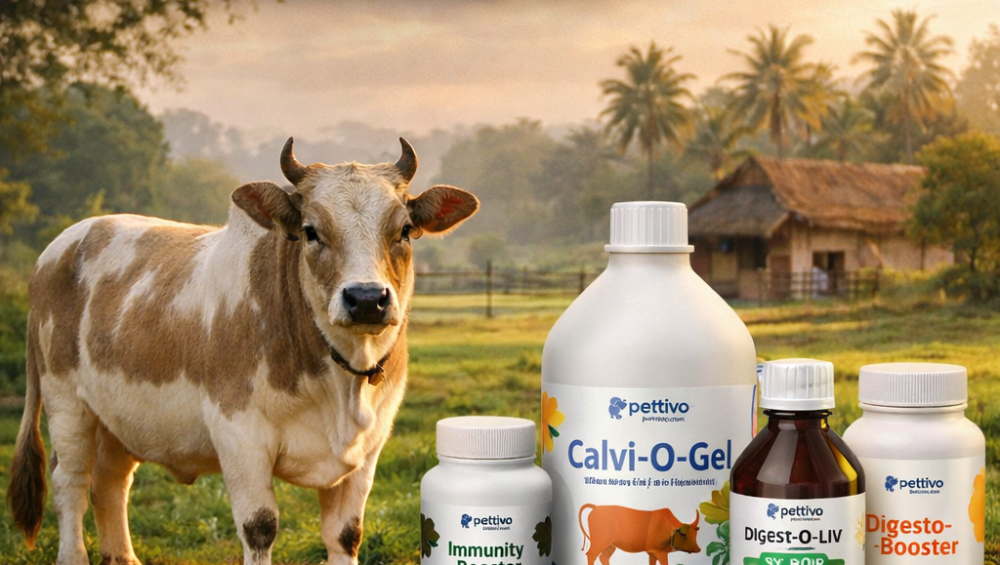
Regular care, proper nutrition, and mineral supplementation can further enhance their longevity and productivity. Products such as calcium supplements, digestive tonics, and immunity boosters play an important role in maintaining their overall health.

👉 Explore Pettivo’s range of veterinary supplements and healthcare products designed to support cattle wellness.


Feeding and Care Requirements

Caring for a Punganur cow is relatively easy compared to high-yield exotic breeds.

Ideal Feeding Practices

  • Fresh green fodder and dry hay
  • Natural grazing whenever possible
  • Mineral mixture and calcium supplements
  • Clean drinking water at all times

Daily Care Tips

  • Maintain clean shelter with good ventilation
  • Regular deworming and vaccination
  • Gentle handling to reduce stress
  • Periodic health check-ups

With proper care, Punganur cows can live long, healthy lives and remain productive for years.


Role in Sustainable and Organic Farming

The Punganur cow plays a vital role in organic and natural farming systems. Their dung and urine are widely used to prepare Panchagavya, Jeevamrutham, and organic manure, which improve soil fertility and crop yield.

For farmers moving towards chemical-free agriculture, the Punganur cow is an invaluable asset.


Conservation and Future Importance

Due to declining numbers, the Punganur cow is now considered a protected indigenous breed. Government bodies, gaushalas, and responsible breeders are actively working toward conservation and awareness.

Preserving this breed is not just about saving a cow—it’s about protecting biodiversity, traditional knowledge, and sustainable agriculture.


Why the Punganur Cow Matters Today

In an era focused on sustainability, health, and ethical farming, the Punganur cow symbolizes a return to nature. Its low environmental impact, medicinal milk, and cultural significance make it one of India’s most valuable cattle breeds.

At Pettivo, we believe in supporting animal wellness through quality veterinary care, nutrition, and awareness—helping pet parents and livestock owners make informed, responsible choices.


Conclusion

The Punganur Cow is truly a living treasure of India’s indigenous cattle heritage. Small in size yet rich in benefits, this remarkable breed reminds us that nature’s best gifts often come in the simplest forms. By promoting awareness, proper care, and conservation, we can ensure that future generations continue to benefit from this extraordinary cow.

punganur cow

cow

punganur cow price

punganur cow baby

baby punganur cow

small cow

small cow price

punganur cow price online

veterinary

veterinary medicine

animal medicine

veterinary products

veterinary injection

Golden Retriever Dog Breed Guide: Care, Temperament & Healthcare Needs

🐶 Golden Retriever Breed Guide –

The Golden Retriever is one of the most friendly, intelligent, and family-loving dog breeds. Known for their beautiful golden coat and gentle temperament, they make excellent companions for homes with kids and other pets.

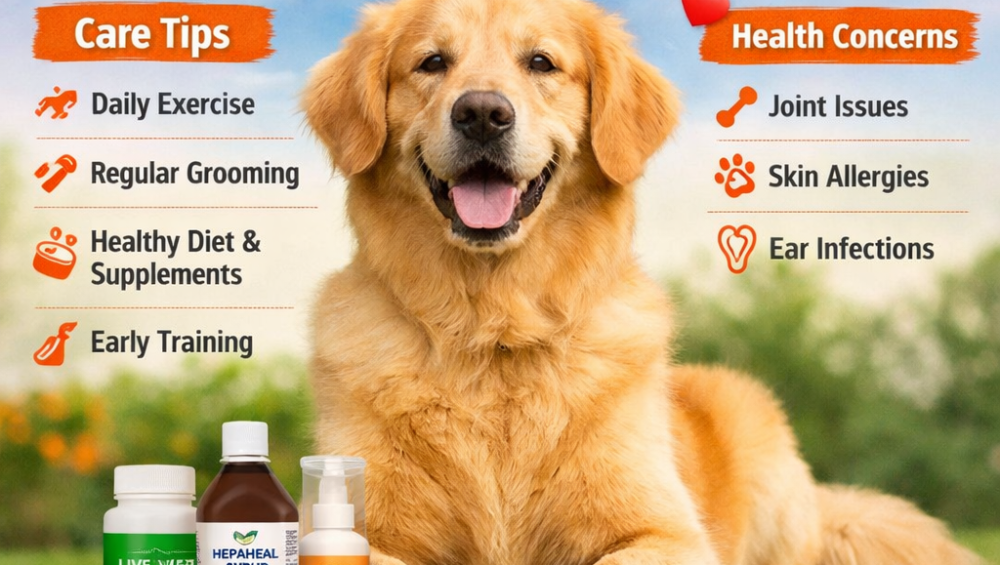
🐾 Care Tips for Golden Retrievers

✔ Daily exercise (60–90 minutes) to stay fit and happy
✔ Regular grooming to manage shedding
✔ Balanced diet with joint, skin, and immunity support
✔ Early training and socialization

🩺 Health Needs to Watch

Golden Retrievers are prone to:

Preventive care with joint supplements, skin care products, and routine parasite control helps keep them healthy and active.

At Pettivo, you’ll find trusted dog supplements, grooming products, and healthcare solutions to support your Golden Retriever at every life stage.

🐕 Because your Golden deserves the best care ❤️

Golden Retriever dog breed, Golden Retriever care, Golden Retriever health problems, Golden Retriever diet, Golden Retriever grooming, Golden Retriever healthcare India, Golden Retriever puppy care

Shopping cart close